



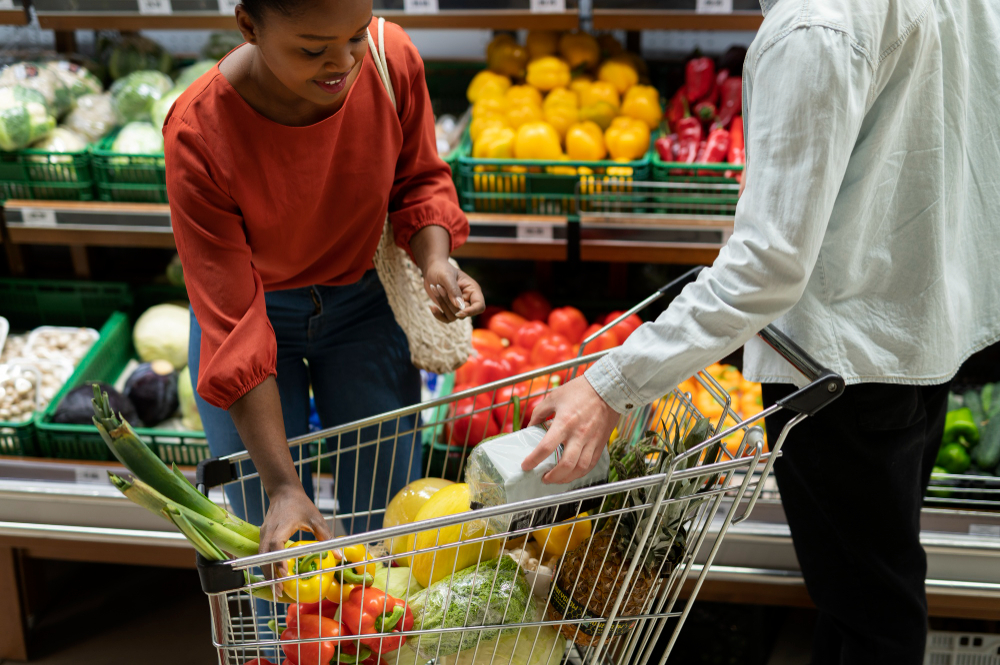
How to Identify Pure and Authentic Ingredients While Grocery Shopping
Walk into any supermarket in India today and you’ll see shelves filled with vibrant packaging, bold health claims, and tempting discounts. But behind the marketing, one important question remains:
Are the ingredients truly pure and authentic?
With rising awareness around clean eating and healthy living, Indian consumers are becoming more careful about what they bring into their kitchens. However, identifying natural food products isn’t always straightforward. Labels can be confusing, and “natural” is sometimes used loosely.
If you want to make smarter grocery decisions for your family, this guide will help you identify pure ingredients with confidence and clarity.
Why Ingredient Purity Matters More Than Ever
India’s food industry has grown rapidly in the last decade. While this growth has brought convenience, it has also introduced heavily processed products with long shelf lives and complex ingredient lists.
Choosing pure ingredients is important because:
- It reduces unnecessary chemical exposure
- It supports better digestion and immunity
- It encourages a healthier lifestyle
- It promotes safe food choices in India
When food remains close to its natural state, your body benefits from its original nutrients without added interference.
1. Read the Ingredient List — Not Just the Front Label
The front of a package is designed to attract you. Words like “premium,” “healthy,” or “natural” can be persuasive. But the real truth lies on the back.
What to Look For:
- Short and simple ingredient lists
- Recognizable, pronounceable ingredients
- No unnecessary artificial colors or synthetic preservatives
If the ingredient list feels complicated or overly technical, it’s worth questioning the product’s authenticity.
Tip: The first ingredient listed is usually present in the highest quantity. Make sure it aligns with what the product claims to be.
2. Avoid Excessive Additives and Artificial Enhancers
Many processed food products contain:
- Artificial flavor enhancers
- Synthetic coloring agents
- Stabilizers and emulsifiers
- Excess added sugar or sodium
While some additives are legally permitted, frequent consumption may not align with a clean eating lifestyle.
Natural food products focus on purity and minimal interference. The closer a product is to its original form, the better.
3. Check for Transparency in Sourcing
A trustworthy quality food brand in India often shares details about sourcing practices.
Look for information such as:
- Region of origin
- Processing methods
- Quality checks
- Hygiene standards
Brands that openly communicate about their sourcing typically have stronger quality control systems.
Transparency builds trust — and trust is essential when it comes to food.
4. Examine Packaging Quality
Pure ingredients deserve safe and hygienic packaging.
When grocery shopping, observe:
- Is the packaging sealed properly?
- Does it look tamper-proof?
- Is the material food-grade and sturdy?
Good packaging preserves freshness and prevents contamination during storage and transport. Poor packaging can compromise even the best ingredients.
In India’s climate, proper packaging is not just important — it’s necessary.
5. Look for Clear Manufacturing and Expiry Details
Authentic products clearly mention:
- Manufacturing date
- Expiry or best-before date
- Batch number
- Manufacturer information
Incomplete or unclear labeling can be a red flag.
Reliable brands ensure that every detail required under Indian food safety regulations is mentioned clearly and visibly.
6. Observe Color, Texture, and Aroma
Sometimes, your senses are your best guide.
Natural ingredients often have:
- Slight variations in color
- A mild, authentic aroma
- A texture consistent with minimal processing
For example, overly bright colors in spices or unnaturally uniform grains may indicate excessive processing or polishing.
Natural food products may look slightly less “perfect,” but that imperfection often signals authenticity.
7. Be Cautious of Extremely Low Prices
Quality sourcing, hygienic handling, and proper packaging involve costs.
If a product is significantly cheaper than others in the same category, it’s worth asking why. Extremely low pricing may indicate compromises in ingredient quality, sourcing, or processing standards.
While affordability matters, purity and safety should never be sacrificed.
8. Research the Brand’s Philosophy
Before trusting a new product, take a few minutes to learn about the brand.
Ask yourself:
- Does the brand focus on natural ingredients?
- Do they talk about hygiene and quality checks?
- Is their communication clear and honest?
A brand committed to clean and honest food practices will reflect that commitment across its website, packaging, and customer communication.
Choosing a reliable natural food brand in India makes grocery shopping easier in the long run.
9. Understand the Difference Between “Natural” and “Minimally Processed”
Not all products labeled “natural” are minimally processed.
True natural food products typically:
- Undergo limited mechanical processing
- Avoid artificial preservation techniques
- Retain original nutrients
Understanding this distinction helps you make informed decisions instead of relying on marketing claims.
10. Start Small and Build Gradually
Switching to pure ingredients doesn’t mean replacing everything overnight.
You can start by:
- Choosing cleaner staples
- Replacing heavily processed snacks
- Reading labels consistently
- Supporting trusted brands with transparent practices
Gradual changes lead to sustainable habits.
Common Mistakes to Avoid While Grocery Shopping
Even aware consumers sometimes make these mistakes:
- Trusting the front label without reading details
- Assuming imported means better quality
- Ignoring packaging damage
- Overlooking storage instructions
Awareness and consistency are key to maintaining a healthy lifestyle through better food choices.
The Growing Demand for Safe Food in India
Indian consumers today are more informed than ever. Conversations around food safety, hygiene, and ingredient integrity are no longer limited to niche health communities.
Families are actively seeking:
- Safe and hygienic packaging
- Pure ingredients
- Transparent sourcing
- Reliable quality standards
This shift reflects a broader movement toward clean eating and mindful consumption.
As this awareness grows, brands that prioritize honesty and purity naturally stand out.
Final Thoughts: Make Every Grocery Trip Count
Grocery shopping is no longer just a routine task — it’s a responsibility.
Every product you place in your cart influences your family’s health and long-term well-being. By learning how to identify pure and authentic ingredients, you take control of your food choices.
Look beyond marketing.
Read labels carefully.
Trust transparency.
Choose quality over shortcuts.
When you prioritize natural food products made with integrity and hygiene, you create a stronger foundation for a healthier lifestyle.
Because in the end, food should be simple, safe, and honest — just the way nature intended.


